
Military community support programs create structured opportunities for Canadian Armed Forces families and veterans to build connections, access specialized resources, and strengthen resilience through shared activities. These initiatives range from peer-led fitness groups and family recreation events to employment workshops and youth mentorship circles, each designed to address the unique challenges of military life, including frequent relocations, deployment separations, and transition to civilian life.
The yellow ribbon has long symbolized community commitment to those who serve. That symbol comes to life when families gather for a neighbourhood potluck organized specifically for military spouses, when children find friendship at camps designed around their experiences, or when a veteran discovers meaningful work through a dedicated employment network. These aren’t abstract gestures of support. They’re practical lifelines that turn isolation into belonging.
What makes community support programs effective is their focus on doing rather than discussing. A morning run club creates accountability and camaraderie. A skills-sharing workshop offers both new capabilities and social connection. A family day at a local base brings together people who understand the rhythm of postings and the weight of deployments without needing explanation. The programs profiled here represent diverse ways communities across Canada are creating these vital connections in 2026, whether you’re looking to participate or hoping to organize something similar in your own area.
How We Selected These Community Activities
We selected these community activities using four core criteria. First, each program had to be accessible to military families across Canada, whether on base or in civilian communities. Second, we prioritized activities with proven impact on morale and connection, programs that families repeatedly turn to because they work. Third, every activity needed to welcome both current Canadian Armed Forces personnel and veterans, recognizing that support shouldn’t end with service. Finally, we chose sustainable programs that create genuine support networks rather than one-time events.
These criteria ensure the activities listed here align with broader veteran programs and community support efforts. They address real needs, from reducing isolation to building practical skills, while fostering the kind of lasting relationships that sustain military families through deployments, relocations, and transitions.
1. Family Fitness and Recreation Days

Family fitness and recreation days create natural opportunities for military families to connect while staying active together. These organized events, from weekend soccer tournaments to family swim sessions at the base pool, reduce stress through movement while building friendships with people who genuinely understand the rhythm of military life.
The beauty of these programs lies in their flexibility. A Saturday morning nature hike welcomes toddlers in carriers and teenagers on trail bikes alike. Volleyball tournaments often include modified rules so younger children can participate alongside parents. Swimming sessions typically reserve lanes for serious lap swimmers while offering shallow-end play areas for families with small children.
Physical activity itself offers proven mental health benefits, but the real value emerges in the relationships formed. When you’re doing burpees next to someone whose spouse deployed last month, or cheering from the sidelines with a parent who just PCS’d from across the country, conversations flow naturally. You’re not explaining military acronyms or justifying why you moved three times in five years, everyone already gets it.
These gatherings work precisely because they’re low-pressure. Nobody expects elite athleticism. Showing up matters more than performance, and the informal atmosphere helps newcomers integrate quickly into the community.
2. Peer Support Circles and Coffee Groups

Peer support circles and coffee groups create low-pressure spaces where military families share experiences without judgment. These informal gatherings typically meet weekly or monthly at community centres, base family resource centres, or local coffee shops. Unlike structured therapy or formal meetings, the format stays conversational: participants discuss deployment stress, relocation challenges, parenting during absences, or simply everyday life with people who genuinely understand.
For families new to a base or community, these circles offer immediate connection. You don’t need to explain military acronyms, justify irregular work schedules, or translate the specific anxieties that come with service life. That shared understanding accelerates trust and friendship in ways civilian social groups often can’t replicate.
Veterans find particular value in circles focused on transition experiences, where they can discuss identity shifts, navigating civilian employment, or staying connected to military culture. Spouses benefit from networks that acknowledge their unique employment barriers, frequent moves, and the emotional labour of managing household stability during deployments.
The consistency matters as much as the content. Regular attendance transforms acquaintances into confidants who notice when someone stops showing up and reaches out. Many participants report that their coffee group became their first call during crises, the people who understood immediately and showed up with practical help. These circles quietly combat the isolation that erodes resilience, one conversation at a time.
3. Skills Workshops and Employment Readiness Programs
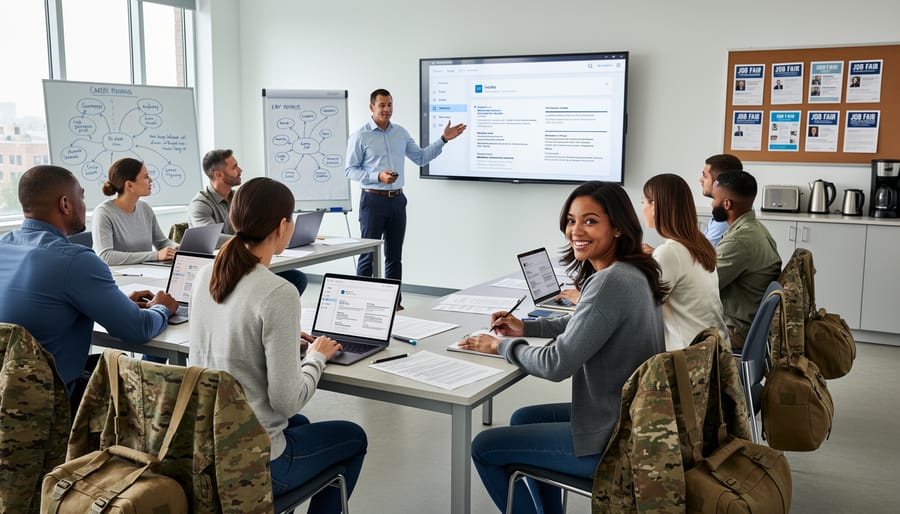
Military spouses face a difficult employment reality: just as a career gains momentum, a posting sends the family across the country. Veterans transitioning to civilian work often struggle to translate military skills into language employers understand. Skills workshops and employment readiness programs tackle these barriers head-on.
These community-based programs offer practical support including resume writing that highlights transferable skills, interview coaching, job search strategies tailored to military family realities, and small business guidance for those pursuing entrepreneurship. Workshops connect participants with local employers who value military experience and understand the unique circumstances of service families.
Professional networking sessions create connections that outlast individual postings. Spouses build relationships with local business owners, hiring managers, and other military families who’ve successfully navigated career challenges. Veterans learn to reframe leadership, logistics, technical expertise, and teamwork skills in civilian terms that resonate with recruiters.
Many programs provide one-on-one career counselling, helping participants identify realistic goals given frequent relocations or transition timelines. Some offer certification courses in portable careers like project management, IT, or administrative support that maintain value regardless of location.
The workshop format creates peer learning opportunities. Participants share job leads, recommend supportive employers, and offer honest advice about balancing career ambitions with military life’s demands. This collective knowledge becomes a resource far more valuable than any single session, building confidence and opening doors that might otherwise remain closed.
4. Children and Youth Programs
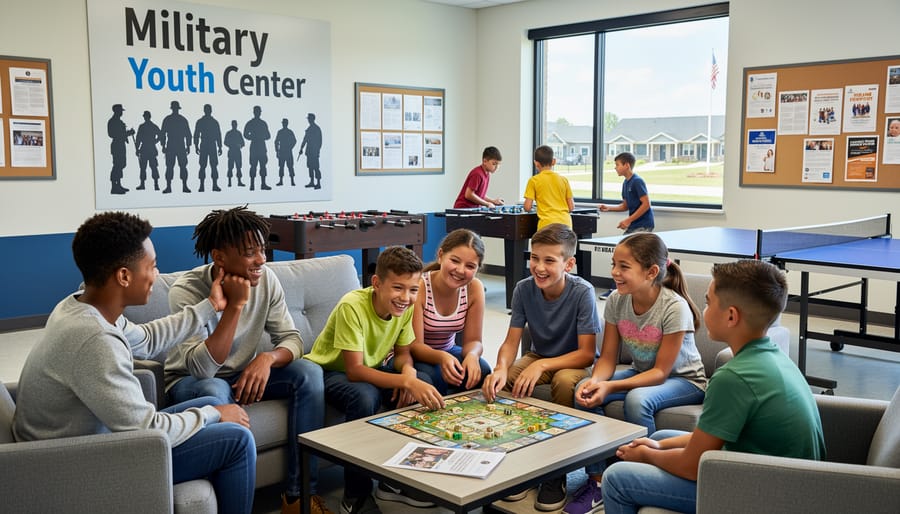
Military children carry burdens their civilian peers rarely face. A parent deploys overseas, the family relocates across provinces every few years, and each move means leaving friends behind and rebuilding social circles from scratch. Children and youth programs designed for military families address these realities head-on by creating spaces where young people connect with others who truly understand.
Summer camps tailored to military kids offer more than just outdoor adventures. They provide peer networks where no one needs to explain why a parent misses the school play or why saying goodbye feels harder than it should. Campers bond over shared experiences, and those friendships often extend beyond the session itself.
Mentorship programs pair older youth with younger children navigating similar challenges, whether it’s adjusting to a new school or coping with a parent’s absence during deployment. These relationships build resilience and give children a sense of continuity even when everything else changes.
Social clubs, recreational teams, and arts programs create regular touchpoints where military youth can simply be kids while surrounded by peers who get it. They don’t have to hide the stress or pretend everything’s normal when it isn’t. These programs acknowledge the unique pressures military life places on children and respond with community, understanding, and activities that foster both confidence and belonging.
5. Volunteer Coordination and Service Projects
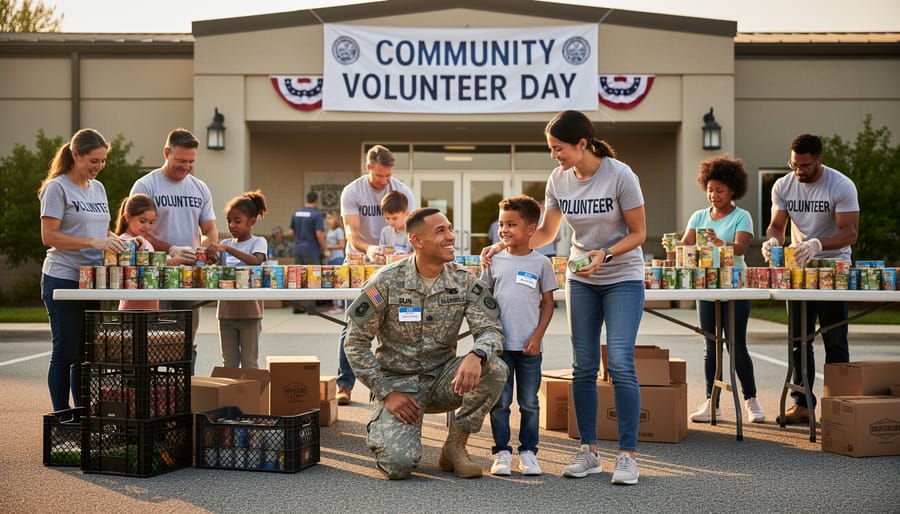
Volunteer coordination programs connect military families with meaningful service opportunities, food drives, park clean-ups, support for local shelters, or assisting at community events. These organized projects tap into the service ethos that defines military life, offering families a way to contribute while building connections beyond the base. When you volunteer alongside other military families, you share purpose and create friendships rooted in shared values.
Service projects also bridge the gap between military and civilian communities. Participating in a neighbourhood clean-up or sorting donations at a food bank introduces your family to local residents who may know little about military life. These interactions foster mutual respect and understanding while reminding you that your family’s contributions extend beyond service in uniform.
For families navigating transitions or facing challenges, volunteer work provides structure, purpose, and a sense of belonging. It’s a chance to thrive with support while giving back. Whether you have an hour or a full day to offer, coordinated volunteer activities welcome all skill levels and schedules, making it easy to find a project that fits your family’s availability and interests.
6. Cultural and Social Celebration Events
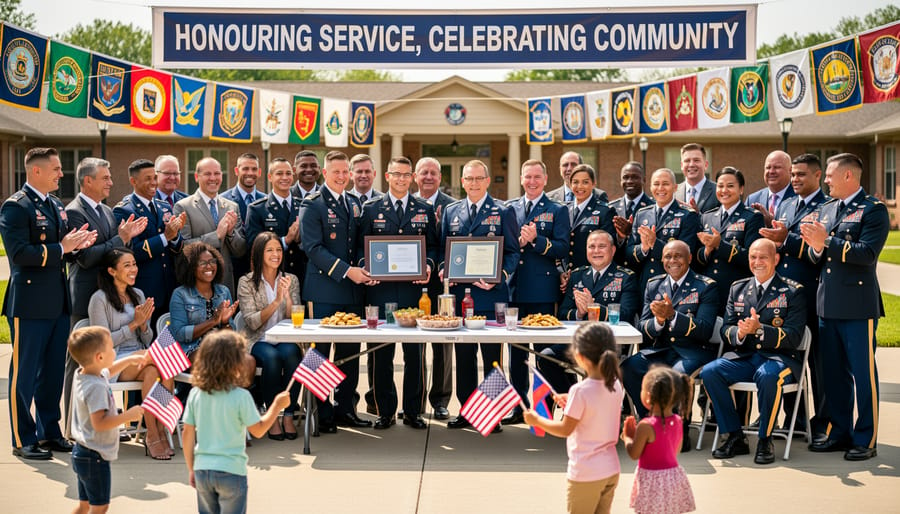
Cultural and social celebration events create moments of joy and recognition that strengthen bonds within military communities. These gatherings range from formal ceremonies honouring deployments and homecomings to relaxed holiday parties where families share food, music, and laughter. Recognition events acknowledge milestones like promotions, retirements, and years of service, giving the community a chance to celebrate achievements together.
Cultural heritage days provide opportunities for military families from diverse backgrounds to share traditions, stories, and customs with their peers. These celebrations honour the multicultural fabric of the Canadian Armed Forces while fostering understanding and respect across the community. Children particularly benefit from seeing their cultural identity valued and celebrated within the military family.
Holiday gatherings and seasonal events offer respite from the demands of military life. Whether it’s a summer barbecue, a winter festival, or a special meal prepared by volunteers, these occasions create lasting memories and remind families they’re part of something larger than themselves. Events often incorporate veteran support elements, ensuring retired personnel remain connected to the community they served.
The collective nature of these celebrations transforms individual service into shared pride, building cohesion that sustains military families through challenging times.
7. Support Groups for Families Facing Injury or Illness
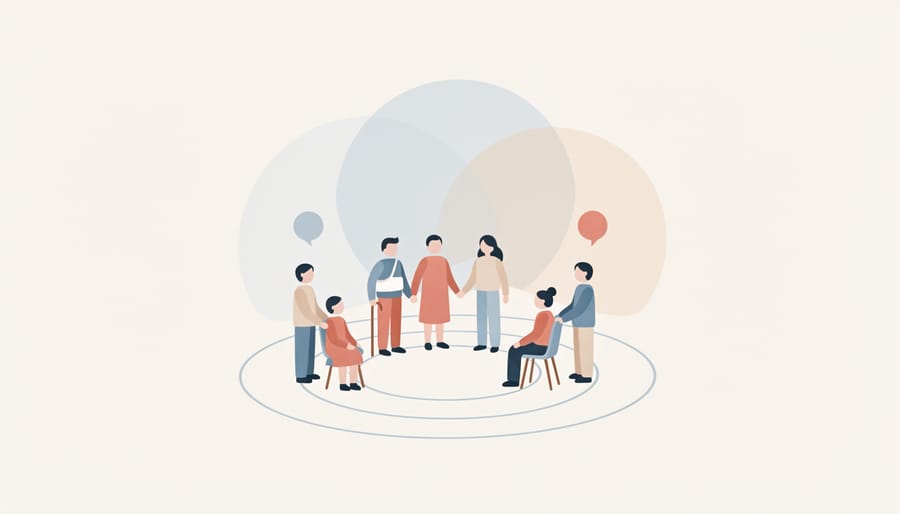
When a service-related injury, mental health condition, or chronic illness affects a military family, specialized support groups offer connection with others who truly understand the path ahead. These programs bring together families navigating similar challenges, creating spaces where sharing experiences feels safe rather than isolating.
Support groups typically focus on specific circumstances: families coping with PTSD, traumatic brain injury, physical disabilities, or ongoing medical treatment. Participants gain practical knowledge about accessing medical care, understanding benefits, and adapting daily routines. They also share coping strategies that work in real life, from managing appointments around a military schedule to supporting a loved one through difficult periods.
The emotional value runs equally deep. Families often describe relief at meeting others who don’t need lengthy explanations about what military life adds to the challenge of injury or illness. Groups normalize the full range of feelings that arise, reducing the isolation and stigma that can prevent families from seeking help.
Many programs include professional facilitators who provide structure and connect participants with resources like counselling services, financial assistance programs, or adaptive equipment. Some groups meet regularly in person, while others operate through video calls or online forums, accommodating families in remote locations or those with caregiving responsibilities that make leaving home difficult.
Veterans and active personnel alike benefit from these programs, which recognize that the impact of service-related health challenges extends across the entire family unit.
8. Outreach and Information Sessions
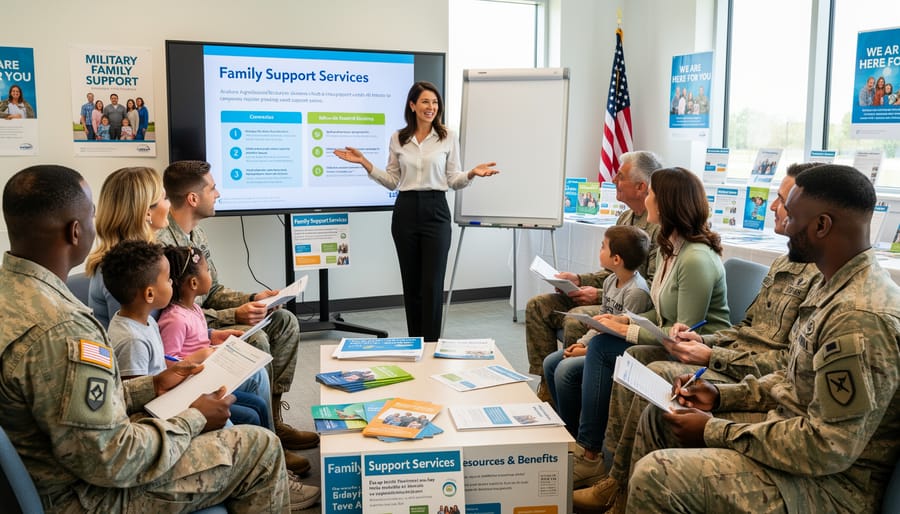
Information and outreach sessions transform confusing bureaucracy into accessible support by giving military families the knowledge to claim what they’ve earned. These educational gatherings bring together benefits advisors, health care navigators, and transition specialists who translate complex systems into clear next steps. For families new to military life or those facing deployment, injury, or transition, these sessions answer critical questions about entitlements and available resources.
Topics covered in outreach sessions typically include:
- Navigating Veterans Affairs benefits and understanding eligibility criteria
- Accessing mental health services and community wellness programs
- Financial planning strategies specific to military pay structures and relocations
- Housing support options for postings, releases, and relocation assistance
- Understanding pension plans, insurance coverage, and survivor benefits
- Transition resources for members leaving service and entering civilian careers
What makes these sessions powerful is the combination of expert guidance and peer learning. Families share their own experiences navigating the system, creating a knowledge network that extends beyond the formal presentation. This collective wisdom helps families advocate effectively for themselves and supports newer members who are still learning the landscape.
Many communities coordinate monthly or quarterly information sessions through military family programs often scheduling them at different times to accommodate shift work and caregiving responsibilities. The sessions create informed, empowered families who understand their rights and know where to turn when challenges arise.
Making the Most of Community Activities
Getting started with community activities is simpler than many military families expect. Check with your base or wing community centre for current program schedules, as most installations maintain updated calendars of activities and support groups. Local Military Family Resource Centres serve as central hubs for connecting families with both on-base and civilian community programs, and staff can help you find activities that match your interests and schedule.
Taking that first step to attend can feel daunting, especially if you’re new to a posting or naturally introverted. Bringing a friend, neighbour, or family member often makes the experience more comfortable and doubles the potential for connection. Remember that everyone in the room understands military life’s unique rhythms, the stress of postings, and the value of finding people who truly get it.
If your area lacks a specific program you need, consider starting one yourself. Even informal gatherings, like a monthly coffee meetup or a walking group, can grow into vital support networks. Base community centres and Military Family Resource Centres often provide space, promotion, and guidance for family-initiated activities. Your participation, whether joining existing programs or creating new ones, doesn’t just benefit you. It strengthens the entire military community, building the connections that sustain us all through the challenges unique to service life.
Common Questions About Military Community Programs
Are these programs only for current personnel or also for veterans?
Most community activities welcome both serving members and veterans, along with their families. Programs recognize that military identity and the need for connection don’t end with service, so eligibility typically extends to anyone with a military background.
Do family members need to participate together or can individuals attend?
You can participate however works best for you. Some families attend together while others prefer individual involvement, and both approaches are equally welcome at most programs.
How do I find programs in my area?
Start by checking with your base community centre, local military family resource centre, or veteran service organizations. Many programs are also listed through provincial veteran affairs offices and community social media groups.
How can I suggest a new activity if nothing exists locally?
Reach out to your nearest military family resource centre or veteran organization with your idea. They can often help you connect with others interested in the same activity and provide guidance on getting a program started.
Finding the right fit sometimes takes a bit of trial and error. Don’t hesitate to try different programs until you discover one that resonates with your needs and schedule. The goal isn’t perfection but connection, and even attending once can open doors to relationships and resources you didn’t know existed. If a program doesn’t feel right the first time, that’s okay. Your presence matters, and the military community benefits when families engage in whatever way works for them.
Community activities for troop support aren’t just events on a calendar. They’re the spaces where military families find understanding, build resilience, and remember they’re part of something larger than their individual struggles. Whether you’re looking for practical skills to navigate a transition, connections with others who truly understand military life, or simply a reminder that you don’t have to face challenges alone, these programs create the networks that sustain us.
The yellow ribbon symbolizes our collective commitment to those who serve. But that commitment becomes real through participation, by showing up, reaching out, and building the community bonds that make military life more manageable. Wherever you are in your military journey, there’s a place for you in these activities, and your presence strengthens everyone around you.