
Veteran support programs in Canada offer comprehensive assistance across mental health, career transition, financial aid, and family services to help former Canadian Armed Forces members and their families thrive after service. These programs recognize that leaving military life involves complex adjustments and that the support provided during active duty through initiatives like the Personnel Support Program extends into veteran life through dedicated organizations including Veterans Affairs Canada, the Royal Canadian Legion, and specialized community resources.
Transitioning from service member to veteran brings unique challenges that many families face alone, uncertain where to turn or what help exists. The yellow ribbon symbolizes the commitment our nation has made to those who served, but symbols mean little without tangible support. The reality is that navigating veteran programs can feel overwhelming when you’re already managing the emotional weight of leaving a military identity behind, searching for civilian employment, or supporting a family member struggling with service-related injuries.
Understanding what’s available starts with knowing that veteran support falls into distinct categories: health and wellness programs addressing physical injuries and mental health concerns, employment and education services that help translate military skills into civilian careers, financial benefits and housing assistance for stable transitions, and family-centered resources that acknowledge the sacrifices made by spouses, children, and caregivers. Each category contains multiple programs with different eligibility requirements and application processes.
Sarah, a veteran who served 12 years with the Canadian Armed Forces, describes her transition: “I felt lost after release. I didn’t know Veterans Affairs could help with retraining, or that peer support groups existed in my community. Once I understood the full scope of what was available, everything changed.”
This guide clarifies which programs exist, who qualifies, and how to access the support you’ve earned through your service.
Understanding Veteran Support Programs Within PSP
The Transition Journey
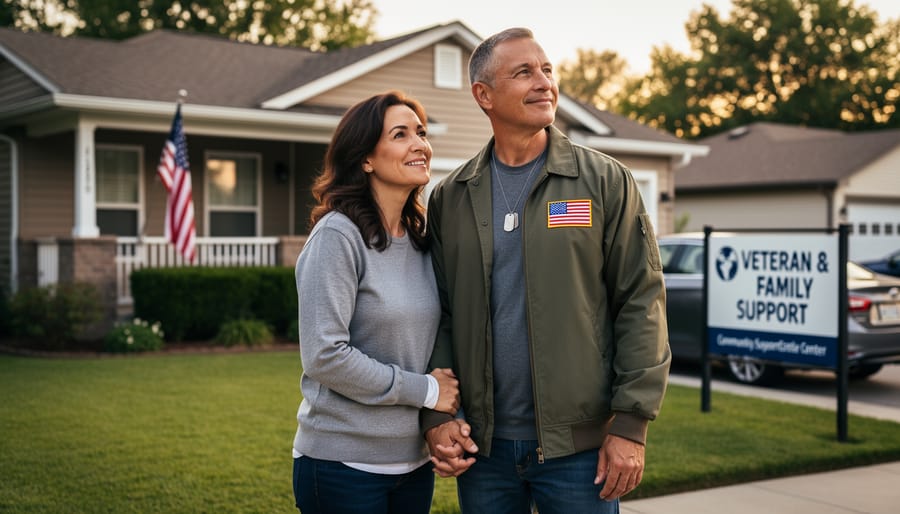
The shift from active service to civilian life marks one of the most significant transitions a military member and their family will ever face. It’s a journey that touches every aspect of daily life, from career and identity to routines, relationships, and sense of community. For many, this period brings a profound adjustment as the structure and support of military life gradually gives way to a world that operates on different rhythms and priorities.
Support programs recognize that transition doesn’t happen overnight, nor does it follow a single timeline. Some veterans experience it as a gradual unwinding over months or years, while others face an abrupt shift due to injury, illness, or unexpected circumstances. Families navigate their own parallel transitions, adapting to new routines while processing the changes together.
This is where Personnel Support Programs extend their commitment beyond active service. The support doesn’t end with a release date. Instead, programs are specifically designed to bridge the gap between military and civilian life, offering stability and guidance during a time that can feel uncertain. Whether it’s connecting with peers who understand the experience, accessing mental health resources, or finding practical help with housing or employment, these programs meet veterans and families where they are.
The goal isn’t simply to ease the transition, it’s to ensure that veterans thrive in their next chapter, carrying forward the strength and resilience they demonstrated in service while building new foundations for themselves and their families.
Whole Family Approach
When a family member serves in uniform, the entire household serves alongside them, through deployments, relocations, and the unique stresses of military life. Veteran support programs acknowledge this reality by extending assistance beyond the veteran themselves to spouses, children, and other dependents who’ve shared the journey.
Support for families and caregivers includes counselling services for spouses dealing with the emotional weight of their partner’s transition or service-related injuries. Children can access educational support and mental health resources as they adjust to new routines or cope with a parent’s changed circumstances. When veterans face physical or psychological challenges, programs provide respite care and caregiver support so family members aren’t left to manage alone.
This approach recognizes that recovery and successful transition aren’t individual achievements but family efforts. Whether it’s helping a spouse navigate career changes after years of following postings, connecting a teenager with peer support, or providing financial assistance that stabilizes the whole household, these programs treat the family unit as the foundation of veteran wellbeing.
Core Veteran Support Programs Available
Financial Assistance and Emergency Relief
Financial support can mean the difference between crisis and stability for veterans and their families. When unexpected hardships strike, a medical emergency, sudden job loss, or complications from service-related conditions, dedicated programs provide rapid relief without the bureaucratic delays that compound stress.
The Veterans Emergency Fund offers immediate assistance for urgent needs like housing costs, utility bills, medical expenses, and food security when veterans face financial crisis. This program recognizes that waiting weeks for standard processes isn’t realistic when families need help now.
Beyond emergency relief, veterans dealing with service-related injuries or illnesses can access ongoing financial support through disability benefits, pain and suffering compensation, and income replacement programs. These aren’t one-time payments but sustained assistance that acknowledges the lasting impact of service on earning capacity and daily living.
Grants for home modifications help veterans with mobility challenges maintain independence, while education and training funding supports career transitions when physical limitations require new vocational paths. Family members caring for severely injured veterans may qualify for caregiver recognition benefits, acknowledging the personal and financial sacrifice involved in providing care.
The key is reaching out early, before financial strain becomes overwhelming. Support exists specifically because your service matters, and facing hardship doesn’t diminish that.
Community and Wellness Programs
Veteran wellness extends far beyond medical care, it encompasses the connections, purpose, and activities that make life meaningful. Community and wellness programs recognize that thriving after service means staying engaged, supported, and active.
Recreational programs offer veterans opportunities to maintain physical fitness and camaraderie through sports leagues, outdoor adventure activities, and fitness facilities on base and in local communities. Many programs adapt activities for veterans with physical limitations, ensuring everyone can participate. These aren’t just about exercise; they recreate the team atmosphere many veterans miss after leaving service.
Mental health resources provide confidential counseling, crisis support lines, and therapeutic programs specifically designed to address service-related challenges. Veterans can access individual therapy, group sessions, and specialized treatment for conditions like PTSD, all delivered by professionals who understand military culture and experiences.
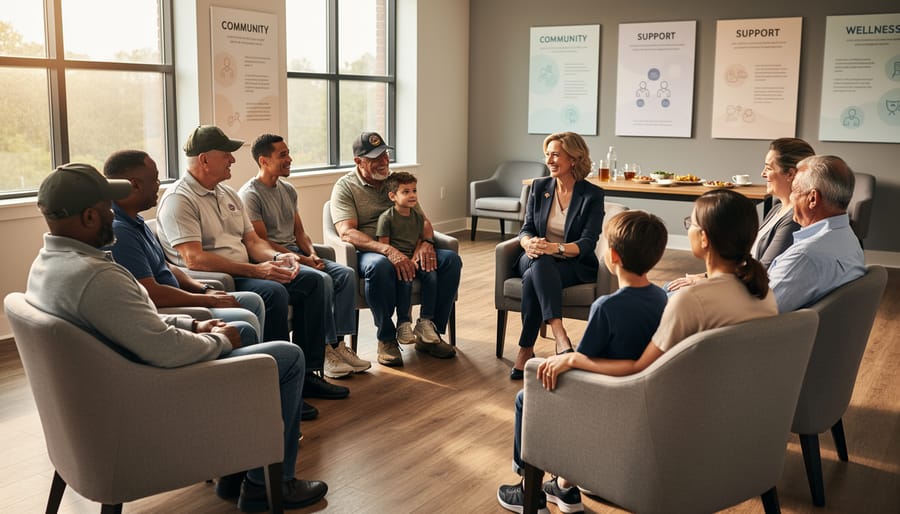
Peer support networks connect veterans with others who’ve walked similar paths. Facilitated groups, mentorship programs, and informal gathering spaces create environments where veterans can share experiences without explanation or judgment. These connections combat isolation and remind veterans they remain part of a community that understands.
Community-building initiatives, from family events to volunteer opportunities, help veterans find new purpose while maintaining bonds with the military family. The yellow ribbon appears prominently at these gatherings, symbolizing the enduring commitment to those who served.
Career Transition and Employment Support
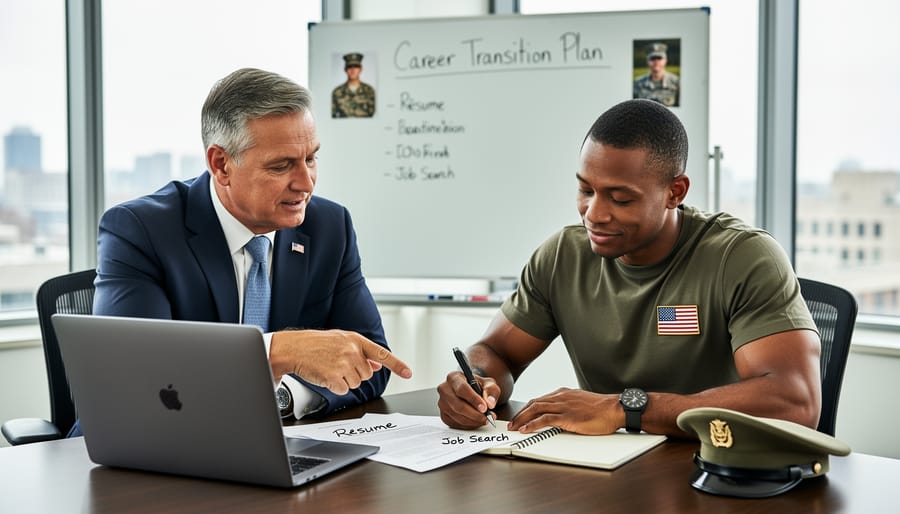
Transitioning military skills into civilian careers presents unique challenges, but dedicated programs exist to help veterans navigate this critical journey. Career transition support recognizes that the discipline, leadership, and technical expertise developed during service hold tremendous value in civilian workplaces, veterans simply need the right tools to communicate and apply these strengths effectively.
Skills translation workshops help veterans identify how their military experience aligns with civilian job requirements. A logistics coordinator becomes a supply chain manager; a military communicator transitions to corporate communications. These programs teach veterans to speak the language employers understand while showcasing the problem-solving abilities and teamwork that make them exceptional candidates.
Mentorship connections pair veterans with professionals in their target industries, providing insider knowledge and networking opportunities that open doors. Many programs partner with employers who actively seek veterans, creating direct pathways to interviews and positions.
Training initiatives offer credentials and certifications that bridge any gaps between military expertise and civilian requirements. From project management courses to industry-specific licensing, these programs ensure veterans arrive qualified and confident.
Resume building, interview coaching, and job placement services round out the support, walking alongside veterans through every stage, from exploring career options to accepting an offer and thriving in their new role.
Housing and Basic Needs Support
Finding stable housing shouldn’t be a battle after you’ve served your country. Veterans and their families facing housing challenges have multiple layers of support designed to prevent homelessness and restore stability.
Emergency housing assistance provides immediate relief when crisis strikes. If you’re facing eviction, utility disconnection, or sudden homelessness, emergency funds can cover deposits, overdue rent, or short-term accommodation while you regain your footing. These programs recognize that financial shocks, from medical bills to job loss during transition, can destabilize even the most prepared families.
Beyond crisis intervention, longer-term housing support helps veterans establish permanent stability. Some programs offer rent supplements or assistance with mortgage payments for those recovering from service-related injuries or managing ongoing health conditions. Others provide support for home adaptations when physical injuries require accessibility modifications.
For veterans experiencing chronic homelessness, specialized case management connects housing with wraparound services, mental health support, addiction treatment, employment assistance, that address root causes rather than just symptoms. This coordinated approach recognizes that housing stability often depends on resolving multiple interconnected challenges.
Families shouldn’t wait until housing loss is imminent. Reaching out early, when you first notice financial strain, opens more options and prevents deeper crisis. Support exists precisely because your service matters, and that includes keeping a roof over your family’s head.
Special Support for Injured and Ill Veterans
When service leaves its mark, specialized support steps in to ensure no veteran or family faces recovery alone. Veterans living with physical injuries, mental health conditions, or service-related illnesses have access to comprehensive programs that recognize the complexity of their journey and the critical role families play in healing.
The Veterans Assistance Centre coordinates multifaceted support for injured and ill veterans, connecting them with medical care, rehabilitation services, and ongoing case management. This isn’t bureaucratic checkboxes, it’s personalized coordination that addresses both immediate needs and long-term wellness. Case managers work directly with veterans to navigate multiple support systems, ensuring nothing falls through the cracks when dealing with the overwhelming reality of injury or illness.
Mental health support takes priority, with specialized counseling services designed specifically for service-related conditions including operational stress injuries, PTSD, and depression. These programs understand the unique nature of military trauma and connect veterans with providers experienced in treating service-connected mental health challenges. Critically, these services extend to spouses and children, recognizing that mental health impacts ripple through entire families.
For veterans with physical injuries, adaptive recreation programs help rebuild confidence and community through activities modified for different abilities. From wheelchair sports to adaptive outdoor adventures, these programs combat isolation while promoting physical wellness. They create spaces where veterans don’t feel defined by their injuries but empowered despite them.
Financial support for injured veterans addresses the harsh reality that service-related injury or illness often creates economic hardship. Emergency assistance covers immediate crises, while longer-term support helps families maintain stability during extended treatment or recovery periods. This includes help with medical expenses not covered elsewhere, adaptive equipment, home modifications, and basic living costs when injury impacts employment.
Family respite programs provide essential breaks for caregivers managing the demands of supporting an injured or ill veteran. These services acknowledge that caregiving takes immense physical and emotional toll, offering temporary relief so families can sustain their support long-term without burning out.
The yellow ribbon community rallies particularly strongly around injured veterans, connecting them with peer mentors who’ve walked similar paths. These connections prove invaluable, someone who understands doesn’t just offer sympathy but practical wisdom earned through their own recovery journey.
How to Access Support Programs
Eligibility and Documentation
Accessing veteran support programs begins with understanding your eligibility. Most programs are available to Canadian Armed Forces veterans who have completed service, regardless of how long you served. Some programs extend to currently serving members approaching transition, while others specifically support medically released veterans or those with service-related injuries.
Your military service records form the foundation of program access. Keep your Certificate of Service readily available, it confirms your veteran status and dates of service. If you’re applying for programs related to injury or illness, medical documentation supporting your condition proves helpful. For financial assistance programs, you may need to show proof of income, expenses, or hardship circumstances.
Many programs require only basic identification and service verification to get started. You don’t need to have every document perfect before reaching out, program coordinators exist to guide you through requirements. If you’ve lost service records or don’t have certain documents, staff can help you obtain copies through proper channels.
The key is making that first contact. Programs are designed to support you, not create barriers. Start with what you have, and advocates will walk alongside you through the process.
Points of Contact and Resources
Connecting with veteran support services is straightforward, with multiple access points designed to meet you where you are. Start by contacting your local Canadian Forces Support Unit (CFSU), which serves as a central hub for veteran programs and can guide you to the specific services you need. They understand the transition journey and can help match your situation with the right resources.
Key contact points include:
- Canadian Forces Support Unit offices across Canada, find your local contact through the Department of National Defence directory
- Veterans Affairs Canada (VAC) toll-free line at 1-866-522-2122, available weekdays with multilingual support
- Military Family Resource Centres (MFRCs), many of which continue serving families through the veteran transition
- Yellow Ribbon Initiative coordinators who connect you with community-specific programs and peer support networks
- Online portals including My VAC Account for secure access to benefits and services
Don’t hesitate to reach out even if you’re unsure whether you qualify, staff are there to help determine eligibility and explore options. Many veterans find that a simple phone call opens doors they didn’t know existed, connecting them not just to programs but to a community that understands their experience and stands ready to support them.
Beyond Programs: The Yellow Ribbon Community
The yellow ribbon isn’t just a symbol, it’s a living network of Canadians who believe veterans and military families deserve our active support, not just our thanks. Beyond the official programs, this community creates a culture of recognition and care that reaches into every corner of Canadian life.
Across the country, yellow ribbon campaigns connect volunteers with meaningful ways to support those who served. Community organizations host yellow ribbon events that bring veterans and civilians together, from appreciation dinners to skill-sharing workshops where veterans mentor young people. These gatherings break down the isolation that many veterans face after leaving the close-knit military community, creating new connections rooted in mutual respect rather than shared service.
Local businesses participate by offering veteran-friendly employment, discounts, and sponsorships for veteran-focused initiatives. Some create formal partnerships with veteran organizations, while others simply make their establishments welcoming spaces where military culture is understood and valued. When a café owner reserves a quiet table for a veteran working through PTSD, or when an employer adapts interview processes to recognize military experience, they’re strengthening the yellow ribbon community through everyday action.
Canadians who want to support veterans have practical options beyond wearing a ribbon. Volunteer with organizations that deliver meals to elderly veterans. Donate to emergency relief funds that help families facing crisis. Advocate for veteran-focused policies in your municipality. Attend Remembrance Day ceremonies and yellow ribbon fundraisers. Simply listen when a veteran or military family member shares their story, without needing to fix or fully understand their experience.
This community matters because formal programs can’t meet every need or heal every wound. Sometimes what makes the difference is a neighbour who shovels the driveway without being asked, or a teacher who understands why a military child struggles with yet another school change. The yellow ribbon community fills the gaps with human connection, reminding veterans and their families that their service created bonds that outlast enlistment papers.
The commitment to Canada’s veterans and military families doesn’t end when the uniform comes off. Every support program, every resource, and every yellow ribbon represents a promise: that your service matters, that your sacrifice is recognized, and that you’ll never face the challenges of civilian life alone.
Whether you served five years or thirty, whether you’re navigating a difficult transition or simply looking to stay connected with your military community, these programs exist for you. They’re built on the understanding that service changes people and families in profound ways, and that the nation you protected stands ready to support you in return.
Reaching out for help isn’t a sign of weakness. It’s an acknowledgment that transition takes courage, that challenges are real, and that smart people use the resources available to them. The same strength that carried you through service can guide you toward the support you’ve earned.
Your military family, whether by blood or by bond, remains with you. The programs described here are staffed by people who understand your experience, who respect your journey, and who genuinely want to help you and your family thrive. You’ve stood on guard for Canada. Now let Canada stand with you.
You’re not alone. You never were, and you never will be.